
I’ll be honest — when I first started looking into electric vehicles, I was skeptical about the whole “you’ll save money” pitch. It felt like something manufacturers say to justify a $40,000 price tag. But after digging into the actual numbers for 2026, the daily running costs tell a story that’s hard to argue with. And with tools like our Interactive EV Range Calculator, you can stop guessing and start seeing exactly how factors like temperature are hitting your real-world range — and your wallet.
The Home Charging Advantage
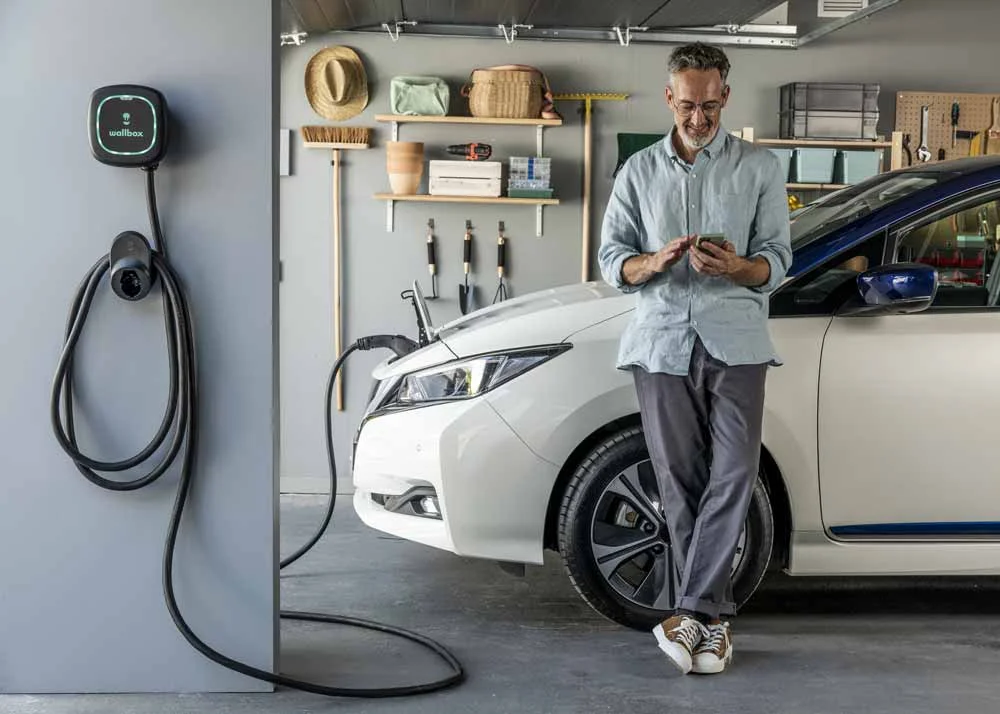
Here’s the thing nobody talks about enough: the biggest EV savings don’t come from the car itself — they come from your garage. In 2026, drivers who charge at home during off-peak hours are essentially paying a fraction of what the rest of us spend at a gas station. You plug in before bed, wake up with a full “tank,” and never think about fuel prices again.
Take the Tesla Model 3 RWD as a benchmark. It’s one of the most efficient EVs on the market right now, and when charged at home at off-peak rates, the cost per kilometer is almost embarrassingly low compared to any petrol alternative. The math doesn’t really leave room for debate.
Real-World Comparison: The 100 km Cost Test
Let’s cut through the marketing and look at what it actually costs to drive 100 km (about 62 miles) today. I’ve kept this as real-world as possible — no best-case scenarios, just honest averages:
| Feature | Gas-Powered Sedan (Internal Combustion) | Tesla Model 3 RWD (Electric) |
| Fuel/Energy Price | $1.50 – $1.80 per Liter / ~$5.50 per Gallon | $0.15 – $0.25 per kWh (Home Charging) |
| Consumption | 7.5 Liters per 100 km | 15 kWh per 100 km |
| Cost to drive 100 km | $11.25 – $13.50 | $2.25 – $3.75 |
| Maintenance Cost | Higher (Oil, filters, spark plugs) | Lower (Minimal moving parts) |
Note: EV costs are based on average 2026 residential electricity rates ($0.15 – $0.25 per kWh).
That’s not a small difference — that’s roughly $9 saved every 100 km. For someone driving 15,000 km a year, that’s over $1,300 back in your pocket annually, just on fuel. And that’s before we even touch maintenance.
Maintenance: The Hidden Savings Everyone Underestimates
This is where EV ownership quietly compounds over time. No oil changes. No spark plugs. No timing belt that decides to snap at the worst possible moment. The drivetrain of an electric vehicle has a fraction of the moving parts of a combustion engine, and that simplicity translates directly into lower service bills.
Studies consistently show EV owners spend around 40% less on maintenance over the vehicle’s lifetime compared to petrol drivers. When you add that to the fuel savings, the total cost of ownership gap between EVs and ICE vehicles becomes very significant — especially over a 5 to 8 year ownership period.
The one caveat worth mentioning: tires. EVs are heavier and have instant torque, which means tire wear can be slightly higher than on a comparable petrol car. It’s not a dealbreaker by any means, but it’s worth factoring into your real-world budget.
The Temperature Factor: What the Brochure Doesn’t Tell You
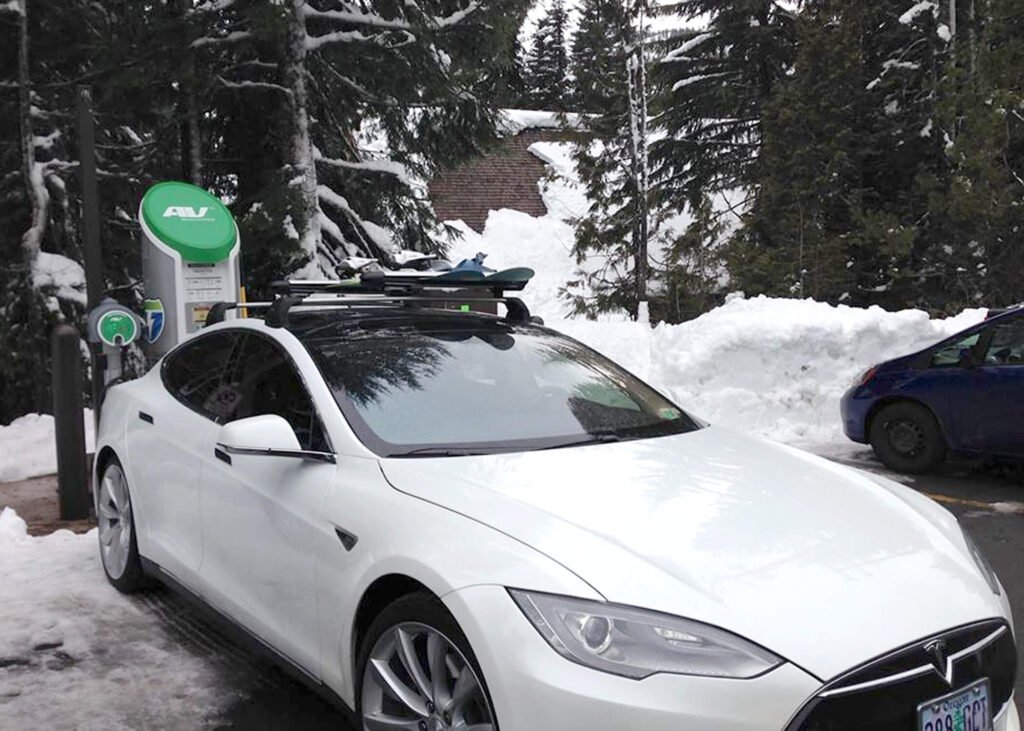
Here’s something that catches a lot of new EV owners off guard: cold weather significantly reduces your battery range. We’re talking anywhere from 15% to 30% less range on a freezing winter morning compared to a mild spring day. This isn’t a flaw — it’s basic battery chemistry — but it does affect your daily cost calculations.
Think about it: if your Model 3 normally costs $3.00 to cover 100 km, but cold weather drops your efficiency by 20%, you’re now effectively paying $3.60 for the same distance. Still cheaper than petrol, but worth knowing and planning for.
That’s exactly why we built our Interactive EV Range Calculator — so you can plug in the current temperature and your specific vehicle and get an honest picture of what your range and cost per km actually looks like today, not in ideal lab conditions.
So, Is an EV Still Worth It in 2026?
For the average daily commuter? Absolutely yes. The fuel savings alone justify the switch for most drivers within 3 to 4 years, and the reduced maintenance adds another layer of long-term value that only grows over time.
The key is going in with realistic expectations. An EV isn’t magic — cold weather will affect your range, public charging is still more expensive than home charging, and the upfront cost remains higher than a comparable petrol car. But for day-to-day driving, the economics are solidly in favor of electric.
The drivers getting the most out of their EVs are the ones who understand their car’s behavior — preconditioning the battery before a cold drive, taking advantage of off-peak charging rates, and knowing how weather affects their real-world range. Once you get that dialed in, the savings pretty much run on autopilot.
Curious how today’s weather is affecting your EV’s range and cost per km? Try our Interactive EV Range Calculator — enter your vehicle and current temperature and get your real numbers in seconds.